


Unlocking the Secrets of Mobile Gaming’s Most Addictive Trends
Mobile gaming has become an integral part of modern life. The average player spends around 2 hours and 45 minutes per day on their device, a staggering statistic that highlights the immense popularity of mobile gaming and its potential for addiction. But what makes mobile games so irresistible, and how do game developers create these engaging experiences?
The Role of Social Interaction
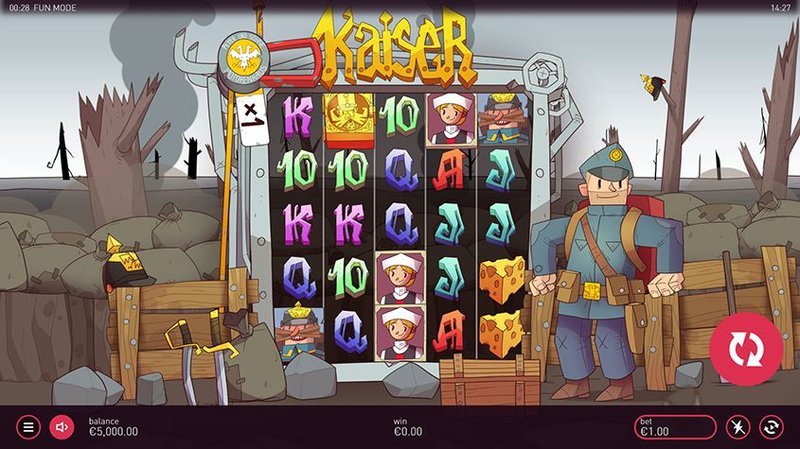
Social interaction is a key factor contributing to mobile game addiction. Players are drawn to games that offer multiplayer capabilities, leaderboards, and social features that allow them to connect with others. This sense of community and belonging makes players more invested in the game and more likely to continue playing. Think of it as a digital watercooler where friends can gather and share experiences. For example, games like PubG Mobile and Candy Crush Saga have successfully leveraged social features to create engaging experiences, and if you’re looking for a more relaxed experience, you might want to try your luck at online slots with a reputable site like Kaiser Slots.
Examples of Socially Addictive Games
PubG Mobile: This popular battle royale game lets players team up with friends and compete against others in real-time. Candy Crush Saga: This match-three puzzle game features social features like leaderboards and daily challenges, making it easy for players to connect with others and compete.
The Power of Reward Systems
Reward systems are another key factor in mobile game addiction. Players are motivated by the promise of rewards, whether it’s in-game currency, power-ups, or other benefits. This creates a cycle of behavior where players feel compelled to continue playing in order to receive these rewards. It’s a clever psychological trick that taps into our desire for instant gratification.
Examples of Reward-Driven Games
Clash of Clans: This strategy game features a rewards system that lets players earn in-game currency and resources by completing tasks and achieving milestones. Fortnite: This battle royale game offers a variety of rewards, including cosmetic items, emotes, and other benefits, that players can earn by completing challenges and participating in events.
The Psychology of Mobile Gaming Addiction
Mobile gaming addiction can be understood through the lens of psychology. Players often experience a sense of flow, or being fully engaged in the game, which can lead to a state of addiction. Additionally, the instant gratification provided by mobile games can activate the brain’s reward system, releasing feel-good chemicals like dopamine and endorphins. It’s a potent combination that can be hard to resist.
For those looking to take a break from the high-stakes world of mobile gaming and experience a more relaxed form of entertainment, consider trying your luck at online slots with a reputable site like Kaiser Slots.
Breaking the Cycle of Addiction
Breaking the cycle of addiction requires a combination of self-awareness, discipline, and support. Players can start by setting limits on their gaming time, taking regular breaks, and seeking support from friends and family. Game developers can also take steps to reduce the addictive potential of their games by implementing features like time limits, parental controls, and more transparent reward systems.
The Future of Mobile Gaming
As mobile gaming continues to evolve, it’s likely that we’ll see more games that incorporate social features, reward systems, and other addictive elements. However, by understanding the psychology behind mobile gaming addiction and taking steps to mitigate its risks, we can create a healthier and more balanced gaming experience for all players.
Frequently Asked Questions
What is the main reason for mobile game addiction?
The main reason for mobile game addiction is social interaction, which draws players to games that offer social features, multiplayer modes, and leaderboards.
How much time do average players spend on mobile games?
The average player spends around 2 hours and 45 minutes per day on their mobile device.
Can mobile games be designed to reduce addiction?
Yes, game developers can design mobile games with features that promote responsible gaming habits and reduce the risk of addiction.
What role do game developers play in creating addictive mobile games?
Game developers play a significant role in creating addictive mobile games by incorporating social features, rewards systems, and other engaging mechanics that keep players hooked.